
Allied health covers a wide range of professions that support, enhance, and extend patient care—yet many of these roles sound so similar that even experienced clinicians can confuse them. From rehabilitation specialists to diagnostic experts, nutrition professionals to mental health providers, these careers share the common goal of improving patient outcomes, but each has its own unique scope of practice.
For clinicians, understanding these distinctions is essential for making accurate referrals, building effective care teams, and guiding patients to the right expertise. In this guide, we’ll break down similar-sounding allied health jobs, so you can clearly see what sets each profession apart and how they work together. Whether you’re exploring careers for yourself or simply want a clearer picture of the allied health professionals on your team, you’ll find this an essential reference.
1. Rehabilitation and Therapy Careers
Rehabilitation is one of the largest categories within allied health, focused on restoring or improving patients’ physical, cognitive, and functional abilities after illness, injury, or surgery.
Physical Therapist (PT) vs. Occupational Therapist (OT)
- Physical Therapist (PT): PTs specialize in improving movement, strength, and physical function. They often work with patients recovering from orthopedic injuries, surgeries, or neurological conditions. PT goals include increasing mobility, reducing pain, and restoring musculoskeletal function.
- Occupational Therapist (OT): OTs focus on helping patients perform daily activities (occupations) independently. This could include self-care, work tasks, or hobbies. OTs address not only physical limitations but also cognitive and sensory processing challenges.
Key Difference: PTs work on how the body moves, while OTs work on how the person functions in their environment.
Physical Therapist (PT) vs. Physical Therapist Assistant (PTA)
- Physical Therapist (PT): PTs evaluate, diagnose, and create treatment plans to improve movement, strength, and function. They perform assessments, determine therapy goals, and oversee patient progress.
- Physical Therapist Assistant (PTA): PTAs carry out the treatment plans designed by PTs. They guide patients through exercises, monitor progress, and report back to the PT. PTAs do not perform initial evaluations or set diagnoses.
Key Difference: PTs design and adjust the plan of care; PTAs implement the plan under PT supervision.
Occupational Therapist (OT) vs. Certified Occupational Therapy Assistant (COTA)
- Occupational Therapist (OT): OTs assess patients’ ability to perform daily activities and create strategies to improve independence, adapting tools or environments as needed.
- Certified Occupational Therapy Assistant (COTA): OTAs help patients follow the OT’s plan, providing direct therapy to improve skills for daily living. They do not create or modify the treatment plan.
Key Difference: OTs evaluate and plan, while OTAs deliver therapy services under OT guidance
Speech-Language Pathologist (SLP) vs. Audiologist
- Speech-Language Pathologist (SLP): SLPs diagnose and treat communication disorders, speech articulation problems, and swallowing difficulties. They work across populations—from children with developmental delays to adults recovering from stroke.
- Audiologist: Audiologists specialize in diagnosing and managing hearing and balance disorders. They conduct hearing tests, fit hearing aids, and provide auditory rehabilitation.
Key Difference: SLPs focus on speech, language, and swallowing, while audiologists focus on hearing and balance.
Respiratory Therapist (RT) vs. Pulmonary Rehabilitation Specialist
- Respiratory Therapist (RT): RTs treat patients with breathing disorders, such as asthma, COPD, or respiratory failure. They manage ventilators, administer oxygen therapy, and perform diagnostic tests.
- Pulmonary Rehabilitation Specialist: Often part of an RT’s skillset, but can also include exercise physiologists or nurses trained in lung rehab. They create long-term exercise and education plans to improve lung function.
Key Difference: RTs focus on acute and critical respiratory care, while pulmonary rehab specialists focus on long-term respiratory recovery.
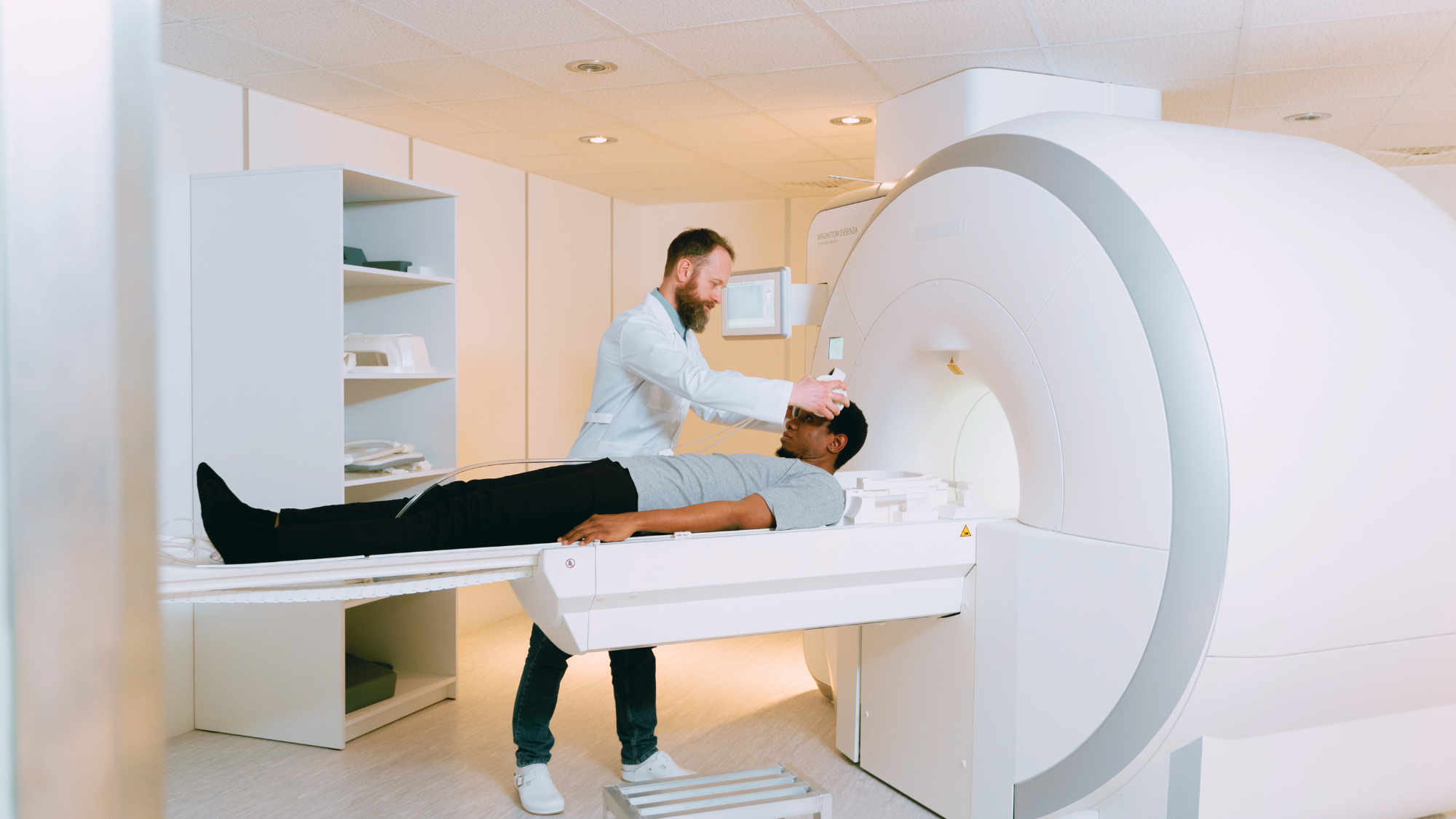
2. Diagnostic and Imaging Careers
Diagnostic services are a cornerstone of allied health, helping clinicians get the data they need to diagnose and treat conditions effectively.
Radiologic Technologist vs. MRI Technologist
- Radiologic Technologist (Rad Tech): Performs X-rays, CT scans, and other imaging exams using radiation-based equipment. Often works in emergency, inpatient, and outpatient settings.
- MRI Technologist: Specializes in magnetic resonance imaging (MRI), which uses magnets and radio waves instead of radiation.
Key Difference: Both are imaging experts, but Rad Techs use radiation-based tools, while MRI Techs use magnetic imaging technology.
Diagnostic Medical Sonographer vs. Echocardiographer
- Diagnostic Medical Sonographer: Interchangeably called an ultrasound tech, a sonographer uses ultrasound technology to create images of internal organs, tissues, and blood flow for diagnostic purposes.
- Echocardiographer: Also known as an echo tech, an echocardiographer is a specialized sonographer who focuses solely on imaging the heart and cardiovascular system.
Key Difference: General sonographers image multiple body areas, while echocardiographers specialize in cardiac imaging.
Clinical Laboratory Scientist vs. Medical Laboratory Technician
- Clinical Laboratory Scientist (CLS): Performs complex lab tests, interprets results, and often has a bachelor’s degree in clinical laboratory science.
- Medical Laboratory Technician (MLT): Conducts routine lab tests under the supervision of a CLS or pathologist, typically with an associate degree.
Key Difference: CLS roles require more education and autonomy; MLTs provide crucial technical support.
3. Nutrition and Wellness Careers
Nutrition-related allied health jobs help prevent and manage disease, support recovery, and improve overall health outcomes.
Registered Dietitian vs. Nutritionist
- Registered Dietitian: A credentialed professional with formal education, clinical training, and licensing. They provide medical nutrition therapy for conditions like diabetes, kidney disease, or eating disorders.
- Nutritionist: May or may not have formal training or certification; regulations vary by state. Focuses on general wellness and healthy eating habits.
Key Difference: RDNs are qualified to provide clinical nutrition care; “nutritionist” is a broader, less regulated title.
4. Behavioral and Mental Health Careers
These allied health professionals address mental, emotional, and behavioral health needs.
Psychologist vs. Licensed Professional Counselor (LPC)
- Psychologist: Holds a doctoral degree in psychology, provides psychotherapy, and can perform psychological testing. In some states, they can prescribe medication (with additional training).
- Licensed Professional Counselor (LPC): Holds a master’s degree in counseling and provides talk therapy but does not perform psychological testing or prescribe medication.
Key Difference: Psychologists have broader diagnostic and testing capabilities; LPCs focus on counseling and support.
5. Emergency and Acute Care Support Careers
Some allied health jobs work closely with physicians and nurses in high-pressure, acute care settings.
Paramedic vs. Emergency Medical Technician (EMT)
- EMT: Provides basic emergency care such as CPR, oxygen administration, and patient transport.
- Paramedic: Provides advanced life support, including IV therapy, intubation, and medication administration.
Key Difference: Paramedics have advanced training for more complex interventions.
Surgical Technologist vs. Sterile Processing Technician
- Surgical Technologist: Prepares the operating room, assists surgeons during procedures, and ensures instruments are sterile and available.
- Sterile Processing Technician: Cleans, sterilizes, and assembles surgical instruments but does not work directly in the operating room.
Key Difference: Surgical techs are in the OR, sterile processing techs are behind the scenes ensuring sterile instruments.
Start Your Healthcare Career with Confidence
The field of allied health is diverse, and understanding differences between roles can help clinicians collaborate effectively and guide them in choosing the right specialty for their future. But knowing the roles is only the start—finding the perfect fit for your skills and career goals is key. Medical Solutions isn’t just a healthcare staffing agency; we’re your healthcare career partner, matching you with allied health jobs that align with your lifestyle and ambitions.
Whether you seek travel, local, short-term, or long-term opportunities, we’ll help you build the allied health career you want. Partner with Medical Solutions today and take your next career step with confidence.